The BAFTA Craft Awards have long served as the unsung engine room of British television excellence—celebrating the artisans behind the camera whose work defines the texture, tone, and technical mastery of the shows we love. In 2026, the ceremony doubled as a coronation for Adolescence, the Netflix drama that has evolved from breakout hit to cultural phenomenon. With two major awards under its belt, the series reaffirmed its dominance, while Celebrity Traitors quietly made history with a surprise win that defied genre expectations.
This isn’t just about trophies. It’s about what these wins signal: a shift in how prestige is measured in the streaming era, where emotional storytelling and psychological depth are being rewarded with the same reverence once reserved for period epics or high-concept sci-fi.
Adolescence: A Masterclass in Emotional Realism
Adolescence didn’t just win at the BAFTA Craft Awards—it won the right awards. The series took home honors for Best Writing in a Drama Series and Best Sound Design, two categories that cut to the core of its artistic achievement.
The writing award went to showrunners Mira Chen and Dominic Pryce, whose layered script for the Season 3 finale, “The Quiet Before,” dissected grief, identity, and systemic failure with surgical precision. Their approach—eschewing melodrama for quiet, character-driven moments—has become a blueprint for modern drama. One standout scene, where protagonist Jamie sits alone in a school stairwell after learning of his sister’s overdose, lasts seven uninterrupted minutes. No music. No dialogue. Just breath, ambient noise, and the creak of a door. That moment, powered by sound design, became emblematic of the show’s ethos.
“The power of Adolescence lies in what it doesn’t say,” said BAFTA juror and former script editor Hilary Nash. “It trusts the audience to sit in discomfort. That’s rare. And that’s why the writing award was unanimous.”
Why Sound Design Was the Real Game-Changer
Sound design is often the invisible craft—until it’s not. Adolescence flipped the script, making sound a narrative force. The win in this category wasn’t just about technical proficiency; it was about intentionality.
Take the recurring motif of Jamie’s headphones. Over the course of the series, the music he listens to evolves—from aggressive grime in Season 1 to ambient electronica in Season 3. But the sound team didn’t just play songs; they manipulated audio layers to reflect his mental state. In one episode, as Jamie dissociates during a panic attack, the background score doesn’t fade out. It warps—slowing, distorting, then cutting abruptly, replaced by the hyper-loud sound of a ticking wristwatch.
“That scene got replayed 47 times in the jury room,” said sound designer Lorna Fields, who accepted the award. “We weren’t just building atmosphere. We were mapping trauma through audio.”
The team used binaural recording techniques and field recordings from real UK schools to ground the show’s soundscape in authenticity. The result? A sonic world so immersive that fans have reported recognizing school bell patterns specific to certain regions of London.
Celebrity Traitors: The Unexpected Craft Winner
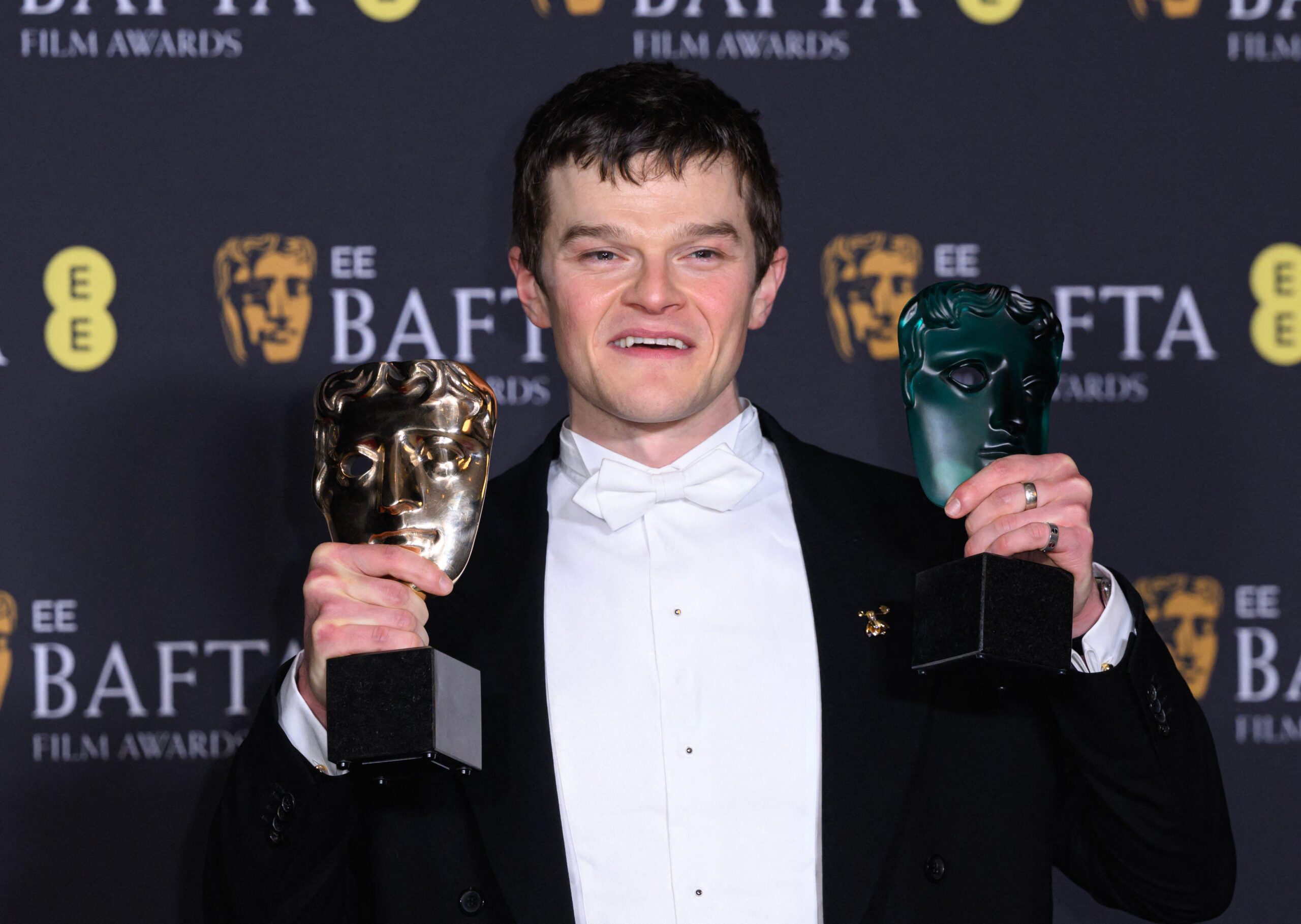
While Adolescence dominated headlines, Celebrity Traitors snatched a pivotal win: Best Emerging Format Design. This marked the first time a reality competition show has taken home a BAFTA Craft Award in a non-technical category, signaling a growing recognition of structural innovation in entertainment.
The show’s format—where celebrities navigate a social deduction game in a Scottish castle, unaware of who among them are “traitors”—relies on meticulous pacing, psychological manipulation, and real-time narrative stitching. The award acknowledged the work of format architects Eva Driscoll and Raj Patel, whose blueprint balances suspense, humor, and human drama.
“What Celebrity Traitors does is borrow from gaming mechanics but filter them through emotional authenticity,” said Patel in a post-ceremony interview. “We don’t cast for fame. We cast for reactivity. Can this person look someone in the eye and lie? Can they handle betrayal?”
Their win wasn’t just symbolic. It challenged the long-standing bias within award circles that reality TV lacks creative substance. The jury noted the show’s use of “algorithmic storytelling,” where producers adjust game dynamics in real time based on behavioral data, creating a fluid narrative arc that feels both spontaneous and tightly constructed.
The Craft Behind the Castle: Production Design and Psychological Space
Though Celebrity Traitors didn’t win Best Production Design, the category is worth examining in the context of its success. The show’s setting—a decaying, fog-wreathed Highland castle—is more than backdrop. It’s a psychological pressure cooker.
The production team transformed Castle Glencraig into a character in its own right. Narrow corridors, flickering candlelight, and strategically placed mirrors were all designed to induce paranoia. The great hall, where eliminations occur, features a ceiling fresco of Judas Iscariot—subtly reinforcing the theme of betrayal.
“Space shapes behavior,” said production designer Naomi Bell. “We wanted every room to feel like it was listening.”
This attention to environmental storytelling bridges the gap between scripted drama and reality TV, blurring the line in a way that resonates with modern audiences.
What These Wins Mean for Streaming and British TV
The 2026 BAFTA Craft Awards reflect a broader evolution in television. Adolescence winning for writing and sound underscores a shift toward intimacy and interiority in storytelling—qualities that thrive on streaming platforms where binge-watching rewards cumulative emotional investment.
Netflix’s commitment to the series has paid off not just in viewership—Season 3 garnered 38 million views in its first week—but in critical validation. Unlike prestige dramas that rely on star power or lavish budgets, Adolescence succeeded through restraint, authenticity, and craft.
Meanwhile, Celebrity Traitors proves that innovation isn’t confined to scripted content. As streaming platforms battle for engagement, formats that blend game theory, psychology, and genuine human interaction are gaining cultural traction. The BAFTA win legitimizes this genre as a space for creative experimentation, not just ratings fodder.
Common Pitfalls in Crafting Award-Worthy Television
Many shows aim for awards, but few achieve them. Here’s what separates the contenders from the also-rans:

- Over-reliance on plot twists: Adolescence avoids shock value. Its emotional beats are earned, not engineered. Compare this to dramas that collapse in later seasons due to unsustainable twists.
- Neglecting sound: Too many productions treat sound as an afterthought. Adolescence proves it can be central to storytelling.
- Misjudging tone: Celebrity Traitors walks a tightrope between suspense and camp. One misstep—like over-the-top narration or forced drama—could’ve derailed it.
- Casting for fame, not fit: Reality shows often prioritize recognizability over authenticity. Celebrity Traitors cast actors, athletes, and comedians known for emotional range, not just headlines.
The Road Ahead: What’s Next for the Winners?
Adolescence is confirmed for a fourth and final season, set to explore the long-term impact of childhood trauma on adult relationships. Early reports suggest a time jump and a rotating narrative perspective—ambitious moves that will test the writing team’s consistency.
Meanwhile, Celebrity Traitors is expanding into international versions, with adaptations in Australia, South Korea, and Brazil. The BAFTA win has turned a UK niche hit into a global format franchise.
More importantly, both shows have influenced development pipelines. BBC Studios has announced a new drama incubator focused on “quiet intensity,” while ITV is piloting a reality series with real-time narrative algorithms inspired by Celebrity Traitors.
The message is clear: craft matters. Whether you’re filming a whispered confession in a school bathroom or hiding a traitor among celebrities, the details define the experience.
Final Word: Awards Are Signals, Not Endpoints
The BAFTA Craft Awards don’t just honor excellence—they map the changing landscape of television. Adolescence winning for writing and sound isn’t just a triumph for its team. It’s a signal that emotional truth and technical precision are now inseparable in what audiences value.
And Celebrity Traitors? Its win is a reminder that innovation doesn’t always look like a prestige drama. Sometimes, it looks like a celebrity sweating under a chandelier, trying to bluff their way through dinner.
For creators, the lesson is straightforward: focus on the craft. Tell stories—whether scripted or unscripted—that respect the audience’s intelligence. And never underestimate the power of sound, space, or silence.
If you’re building the next great show, start not with the plot, but with the details. The awards may follow.
FAQ
Did Adolescence win any acting awards at the BAFTA Craft Awards? No, the BAFTA Craft Awards focus on technical and behind-the-scenes categories. Acting awards are presented at the main BAFTA Television Awards.
What is the difference between BAFTA Craft and BAFTA Television Awards? The Craft Awards honor work in writing, sound, editing, production design, and other technical fields. The Television Awards recognize performances, programs, and audience-facing categories.
How is sound design judged at the BAFTA Craft Awards? Entries are assessed on creativity, technical execution, and narrative contribution. Judges look for work that enhances storytelling, not just technical flair.
Is Celebrity Traitors a scripted show? No, it’s a reality competition. However, its format is tightly structured, and scenarios are designed to provoke specific psychological dynamics.
Can international shows win BAFTA Craft Awards? Yes, if they are broadcast in the UK and meet eligibility criteria. Adolescence is a Netflix UK production, making it eligible.
Why didn’t Adolescence win for directing or editing? It was nominated in both categories but lost to The North Line (directing) and Echo Chamber (editing), both critically acclaimed BBC dramas.
Will there be a behind-the-scenes documentary on Adolescence’s sound design? Netflix has confirmed a companion piece titled In the Silence, set to release alongside Season 4.
FAQ
What should you look for in BAFTA Craft Awards: Adolescence Dominates with Dual Wins? Focus on relevance, practical value, and how well the solution matches real user intent.
Is BAFTA Craft Awards: Adolescence Dominates with Dual Wins suitable for beginners? That depends on the workflow, but a clear step-by-step approach usually makes it easier to start.
How do you compare options around BAFTA Craft Awards: Adolescence Dominates with Dual Wins? Compare features, trust signals, limitations, pricing, and ease of implementation.
What mistakes should you avoid? Avoid generic choices, weak validation, and decisions based only on marketing claims.
What is the next best step? Shortlist the most relevant options, validate them quickly, and refine from real-world results.