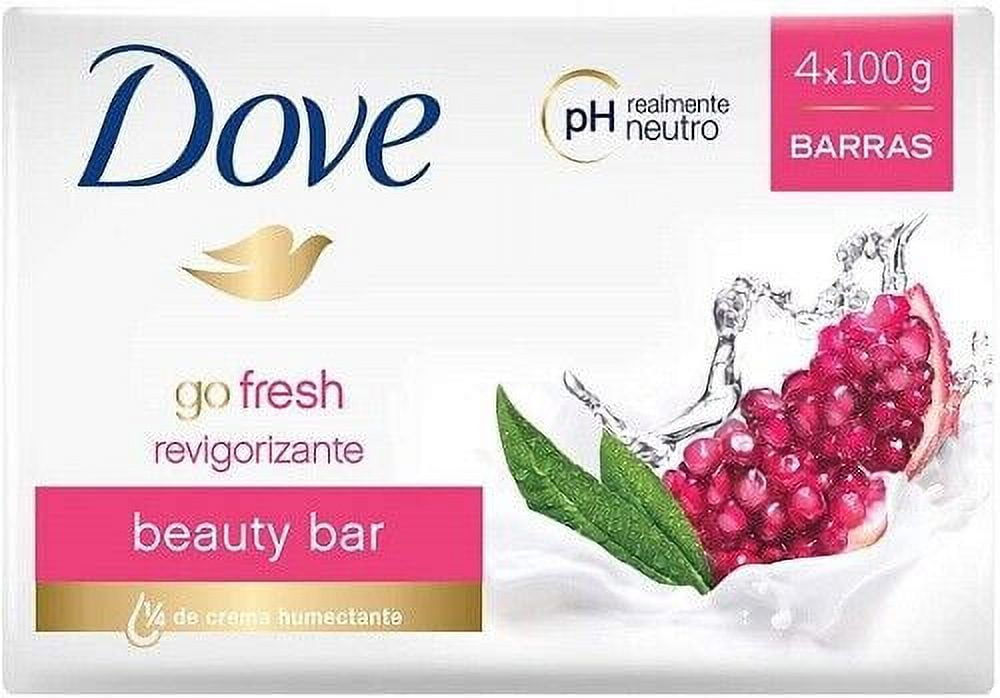
They weigh less than a bar of soap—some under 6 ounces—and yet, they’ve carried elite runners across 26.2 miles at speeds once thought impossible. These aren’t sci-fi prototypes. They’re real, race-proven, and at the heart of every major marathon record shattered in the last decade. The shoes lighter than a bar of soap aren’t just lightweight—they’re redefining human performance.
The Weight That Changed Everything
Imagine holding a standard bar of soap—around 4 to 5 ounces. Now imagine strapping that weight, or even less, to each foot and running a marathon at sub-2-hour pace. That’s the reality of today’s elite marathon footwear. The pursuit of lighter shoes isn’t new, but the recent leap in performance stems from a deliberate engineering philosophy: minimize weight without sacrificing propulsion.
The breakthrough came not from simply trimming material, but from rethinking the shoe’s entire architecture. Carbon fiber plates, ultra-light foams, and aerodynamic uppers allowed designers to slash weight while increasing energy return. The result? Shoes like the Nike Alphafly and its predecessors, which hover around 5.7 ounces for a men’s size 9—lighter than many trail snacks carried during races.
Why weight matters at this level: Every ounce saved reduces the energy cost of lifting the foot with each stride. Over 42,195 meters and roughly 50,000 steps, even a 20-gram reduction per shoe can save several kilojoules of energy. That’s the difference between fading at mile 20 or surging past competitors at mile 25.
How a Shoe Lighter Than Soap Shattered Records
The most famous example? Eliud Kipchoge’s sub-two-hour marathon in 2019—a feat once considered humanly impossible. He wore a prototype version of the Nike Alphafly, packed with dual-stack ZoomX foam and a carbon plate tuned for maximum pop. The shoes weren’t just light; they were efficient.
Key innovations inside the shoe:
- ZoomX foam: Nike’s proprietary midsole material offers 85% energy return—significantly higher than traditional EVA foam.
- Carbon fiber propulsion plate: Acts like a spring, storing and releasing energy with each toe-off.
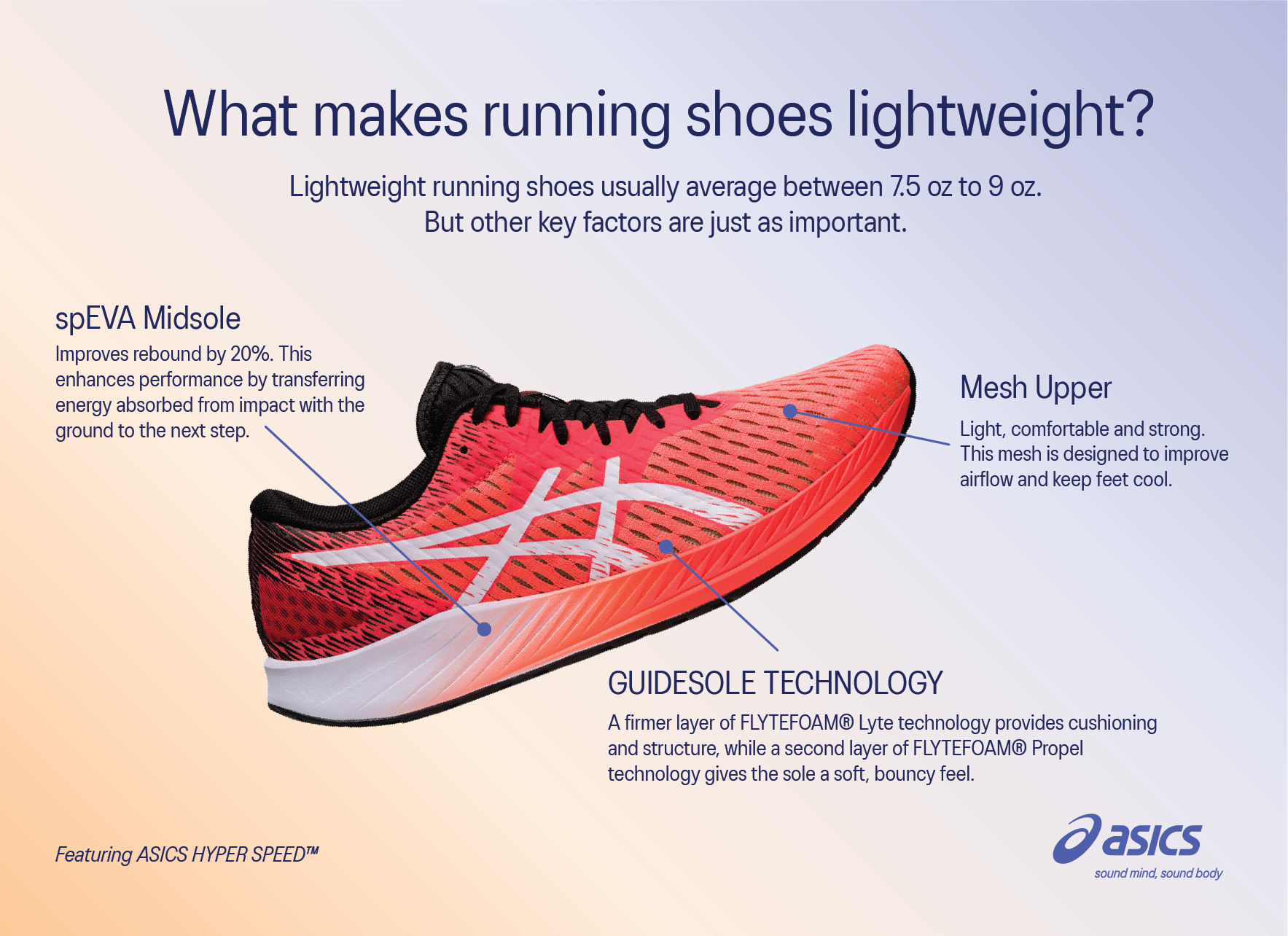
- Aeroweave upper: Breathable, minimal, and bonded seamlessly to reduce weight and prevent hotspots.
- Tuned geometry: The shoe’s rocker shape encourages a smooth, rolling gait, reducing calf fatigue.
These features combined created a shoe that didn’t just feel light—it made running feel easier. Studies show that runners using these types of shoes reduce oxygen consumption by up to 4% compared to traditional racing flats. In marathon terms, that’s a 3- to 4-minute advantage over 26.2 miles.
The Science Behind Ultra-Light Racing Shoes
It’s not just about grams on a scale. The real innovation lies in how weight is distributed and managed. A shoe can be light but unstable; these record-breaking models balance featherweight construction with structural integrity.
Material science at play:
- Pebax-based foams (like ZoomX): Lighter and more resilient than EVA, they compress and rebound efficiently.
- Engineered mesh uppers: Use laser-cut precision to remove excess material only where support isn’t needed.
- Reduced heel counters and internal padding: Traditional stability elements are replaced by intelligent design.
One common misconception is that lighter always means more fragile. But in elite marathon shoes, reduced weight often correlates with better durability over race distance—because they’re designed to perform under specific, high-efficiency conditions, not general wear.
Example: The Nike Alphafly NEXT% series uses a full-length carbon plate with strategic flex zones. It’s not just stiff—it’s smartly stiff, guiding foot motion while minimizing wasted energy. That’s why runners report feeling “propelled” rather than “restricted.”
Real Runners, Real Results
While Kipchoge’s sub-2 captured headlines, the technology has trickled down to elite runners worldwide—with measurable results.
- In the 2022 Berlin Marathon, Eliud Kipchoge broke his own world record wearing the Nike Alphafly 2, finishing in 2:01:09.
- Peres Jepchirchir wore a lightweight Nike prototype to win Olympic gold in 2021, calling the shoes “like flying.”
- At the 2023 Chicago Marathon, multiple top-10 finishers wore versions of the Saucony Endorphin Pro 3 or Adidas Adizero Adios Pro 3—direct competitors in the ultra-light, high-rebound category.
But it’s not just elites. Amateurs using these shoes report faster times with lower perceived effort. A 2023 running forum analysis of Strava data showed runners using carbon-plated, lightweight racers averaged 3–5% faster marathon times compared to traditional flats.
Common mistake: Using these shoes for daily training. They’re designed for race day—low durability, minimal cushioning for long-term impact. Using them beyond 100–150 miles can lead to breakdown and injury risk.
Inside the Competitors: Shoes Lighter Than Soap
While Nike dominates the narrative, other brands have entered the race with compelling alternatives. Here’s a look at five models pushing the limits of weight and performance:
| Shoe Model | Weight (Men’s Size 9) | Key Technology | Best For |
|---|---|---|---|
| Nike Alphafly 3 | 5.7 oz | Dual-stack ZoomX, full carbon plate, Aeroweave 2.0 | Record attempts, elite racing |
| Saucony Endorphin Pro 4 | 6.1 oz | PWRRUN HG foam, carbon plate, FORMFIT upper | High-mileage racers seeking balance |
| Adidas Adizero Adios Pro 3 | 6.3 oz | Lightstrike Pro foam, energy rods, stretched mesh | Speed-focused marathoners |
| Hoka Hyperion Max | 6.6 oz | Profly+ foam, carbon plate, engineered mesh | Runners preferring more cushion |
| New Balance FuelCell RC Elite v3 | 6.4 oz | FuelCell foam, carbon plate, jacquard upper | Smooth transition, responsive feel |
Each of these shoes prioritizes a blend of low weight, high energy return, and race-day readiness. The differences lie in ride feel: some are snappier, others more forgiving. But all sit well under the “lighter than a bar of soap” threshold when compared to traditional marathon flats of the past.
The Limits of Lightweight Design
Despite their performance, these shoes aren’t without drawbacks.
Pros: - Unmatched energy return - Reduced fatigue over long distances - Proven race results across global marathons
Cons: - Limited durability (often <200 miles) - High cost (typically $250–$300) - Not ideal for daily training or underdeveloped runners - Can encourage overstriding due to aggressive geometry
There’s also an ongoing debate in the running community about whether such technology constitutes an “unfair advantage.” World Athletics has placed limits on sole thickness (40mm max) and carbon plate count (one per shoe), but the arms race continues.
Practical tip: Use these shoes strategically. Save them for races and key workouts. Pair them with strength training to handle the faster paces they enable. And never assume the shoe alone will deliver record-breaking results—fitness is still king.
The Future of Marathon Footwear
The next frontier? Shoes that are adaptive—not just lightweight, but responsive to real-time biomechanics. Prototypes are already testing embedded sensors and dynamic cushioning, though mass-market versions are years away.
One thing is clear: the era of heavy, passive running shoes is over. The focus now is on synergy—how shoe, runner, and surface interact. Weight will continue to drop, but not at the expense of function. Expect sub-5-ounce race shoes within the next five years, possibly using bio-based foams and 3D-printed lattice structures.
Meanwhile, the bar has been raised. “Lighter than a bar of soap” isn’t a quirky factoid—it’s a benchmark. And as long as humans chase faster times, shoe engineers will keep pushing that limit further.
Final Step: Should You Wear One?
If you’re training for a marathon and aiming for a personal best, investing in a pair of these lightweight racers makes sense—if you’re already running high mileage with solid form. They’re not magic, but they’re the closest thing to a performance multiplier available today.
Just remember: the shoe didn’t break the record. The runner did. The shoe just made it possible to dream bigger.
FAQ
What should you look for in Lighter Than a Bar of Soap: The Shoes That Broke the Marathon Record? Focus on relevance, practical value, and how well the solution matches real user intent.
Is Lighter Than a Bar of Soap: The Shoes That Broke the Marathon Record suitable for beginners? That depends on the workflow, but a clear step-by-step approach usually makes it easier to start.
How do you compare options around Lighter Than a Bar of Soap: The Shoes That Broke the Marathon Record? Compare features, trust signals, limitations, pricing, and ease of implementation.
What mistakes should you avoid? Avoid generic choices, weak validation, and decisions based only on marketing claims.
What is the next best step? Shortlist the most relevant options, validate them quickly, and refine from real-world results.