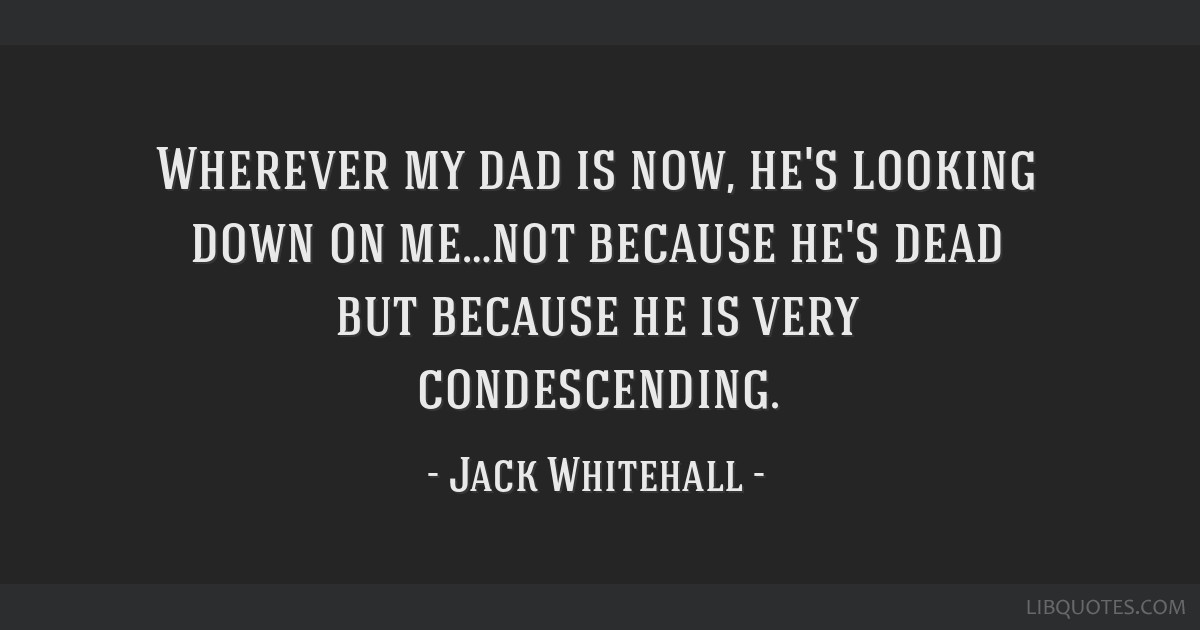
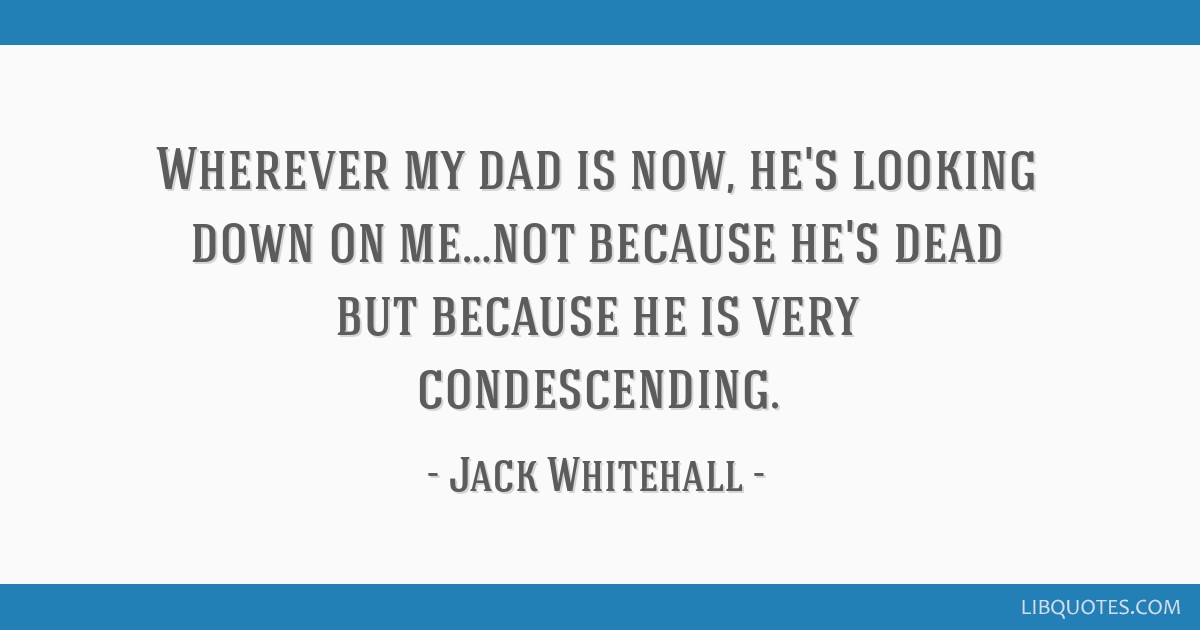
Comedy often cuts deeper than philosophy. One offhand remark from Jack Whitehall—“I’m sure wherever my dad is, he’s looking down on us. He’s not dead, just very”—does more than land a laugh. It exposes layers: generational tension, emotional honesty, and the absurdity embedded in modern work and family dynamics. This quote, frequently shared as a “quote of the day,” isn’t just a punchline. It’s a mirror.
Whitehall’s delivery—dry, self-aware, laced with British restraint—makes the line iconic. But beneath the humor lies a framework for understanding modern values: how we perform at work, how we relate to family, and how truth gets bent to keep the peace.
Let’s unpack why this moment resonates so widely—and what it quietly teaches about honesty, workplace behavior, and the contradictions in how we live.
The Genius of Misdirection: How Comedy Reveals Truth
Jack Whitehall’s joke works because of misdirection. The opening—“I’m sure wherever my dad is, he’s looking down on us”—follows a familiar eulogy cadence. Audiences expect grief, solemnity, perhaps a tribute. Instead, he undercuts it: “He’s not dead, just very.” The humor lies in the abrupt shift from reverence to reality.
But the real insight isn’t just comedic timing—it’s psychological honesty.
We’ve all performed emotional scripts: saying “I’m fine” when we’re not, pretending to respect a boss we dislike, or feigning admiration for someone merely because of their position. Whitehall’s line mocks that performance. He acknowledges his father’s presence—physical and psychological—without pretending it’s comforting. The subtext? I know he’s watching, and I know he’s judging, and I’m still going to call it like it is.
This kind of honesty is rare in public life. In work culture, especially, we’re trained to sanitize our truths. Whitehall’s comedy bypasses that filter.
Why This Line Hits Differently in the Workplace
Imagine a team meeting where someone says, “I’m sure leadership is proud of our progress,” while everyone knows the opposite is true. The gap between stated belief and actual experience is where Whitehall’s quote thrives.
His joke models a kind of truth-telling through humor—a tactic many use to voice discomfort when directness feels risky. In offices worldwide, employees rely on sarcasm, irony, or “just joking” comments to point out dysfunction without consequences.
Whitehall’s line, though personal, becomes a metaphor for organizational transparency: - We see the people “looking down” on us—managers, executives, legacy systems. - We know they’re not “dead” (outdated or irrelevant), but “very” something—very out of touch, very overbearing, very inefficient. - And yet, we keep the polite fiction alive.
The danger? When satire becomes the only outlet for truth, it means honest dialogue has broken down.
Honesty as a Leadership Tool—Not a Threat
Whitehall’s relationship with his father, famously documented in Jack Whitehall: Travels with My Father, is built on contrast: the uptight, emotionally restrained Michael Whitehall and his irreverent, expressive son. Their dynamic isn’t about conflict—it’s about negotiation. Between generations. Between expectation and authenticity.
That same tension plays out in modern workplaces.
Many leaders still operate like Michael Whitehall: formal, reserved, authority-based. But today’s teams—especially younger ones—value transparency, relatability, and emotional accessibility. The “looking down” metaphor fits here, too. Employees don’t want leaders who preside from a distance. They want visibility, approachability, shared accountability.
Organizations that foster safe honesty—where people can say, “This process isn’t working,” or “I don’t understand the goal”—outperform those that rely on hierarchy and silence.
But honesty must be structured. Unfiltered bluntness creates chaos. Whitehall’s humor works because it’s bounded—it’s funny, not cruel. Similarly, workplace honesty needs guardrails: - Focus on behavior, not character. - Offer solutions, not just criticism. - Use timing and tone deliberately.
When done right, truth-telling becomes a tool for innovation, not disruption.
Work Culture and the Performance of Respect
Respect in many workplaces is performative. It’s shown through titles, reserved parking spots, or front-row seats at town halls. But real respect? That’s measured in listening, inclusion, and psychological safety.
Whitehall’s joke subtly critiques performative reverence. We act like someone is watching and judging—because we fear consequences—but privately, we may not value their input at all.
Sound familiar?
Consider these workplace parallels: - Praising a flawed strategy in a meeting, then mocking it in the break room. - Nodding along to a manager’s idea, then quietly doing it your way. - Claiming to embrace feedback while protecting your ego at all costs.
These behaviors erode trust. Culture isn’t built on what people say in public—it’s shaped by what they do in private.
The fix isn’t more rules. It’s modeling authenticity. Leaders who admit mistakes, ask for help, and laugh at themselves create space for others to do the same. Jack Whitehall’s humor—self-deprecating, observational, unafraid of awkwardness—offers a blueprint.
Case Study: Comedy as Cultural Feedback
Netflix’s Travels with My Father became a surprise hit not just for its comedy, but for its emotional honesty. Audiences didn’t just laugh—they recognized their own family dynamics.
Similarly, in companies, humor often acts as cultural feedback. The memes about Monday mornings, the sarcastic Slack reactions, the “this meeting could’ve been an email” jokes—these aren’t just noise. They’re signals.
Smart leaders don’t shut down workplace humor. They listen to it.
When employees joke about: - “The annual strategy that changes every quarter,” they’re signaling instability. - “Our 47th reorganization,” they’re expressing fatigue. - “Leadership’s ‘open door’ policy (but never open),” they’re calling out hypocrisy.
Like Whitehall’s quote, these jokes point to a gap between image and reality. Addressing them isn’t about discipline—it’s about alignment.
Human Nature: Why We Laugh to Cope
The reason Whitehall’s line spreads as a “quote of the day” isn’t just because it’s funny. It’s because it’s relatable. Everyone has a “dad” in their life—literal or figurative—who represents authority, expectation, or unspoken pressure.
Our instinct? To deflect with humor.
Psychologically, laughter is a coping mechanism. It reduces tension, builds connection, and allows us to confront uncomfortable truths without confrontation. Whitehall doesn’t yell at his dad. He jokes about him. And in doing so, he disarms the power dynamic.
This reflects a broader human tendency: - We mock bureaucracy instead of reforming it. - We meme about burnout instead of fixing workloads. - We use irony to survive toxic norms.
The risk? When humor becomes the only outlet, nothing changes. Jokes don’t alter policy. Memes don’t redistribute power.
The opportunity? Using humor as a starting point—not the endpoint.
Organizations that invite candid, even funny, feedback—and then act on it—build cultures of trust. They acknowledge the “dad” watching from above, and they ask: Is his advice still relevant? Or is it time to write our own script?
Turning Laughter into Learning
So what can we do with Jack Whitehall’s quote beyond sharing it on social media?
Use it as a diagnostic tool.
Next time you hear someone say something funny but revealing—about a leader, a process, or a cultural norm—pause. Ask: - What truth is being hidden behind the joke? - Who is “looking down on us,” and do we actually value their perspective? - Are we being honest, or just polite?
Apply this in three areas:
1. Team Check-Ins Replace stale “status updates”
with prompts like:
- “What’s one thing we pretend to love but actually hate?”
- “If our company had a theme song, what would it be—and why?”
- These invite honesty through humor, just like Whitehall’s line.
2. Leadership Communication Leaders should occasionally model self-awareness:
- “I know you’re all thinking this meeting could’ve been an email. You’re right. Let’s make the next one shorter.”
- This builds credibility—and mirrors Whitehall’s style: acknowledging the elephant, then moving forward.
3. Cultural Audits Don’t just measure engagement scores. Scan internal messages, Slack channels, or break-room talk for recurring jokes. Patterns reveal pain points.
For example: - Jokes about “zombie mode” post-merger? Integration is failing. - Memes about a specific manager? There’s a leadership issue. - Sarcasm about “core values posters”? Values feel hollow.
Like comedy, culture is performative. But the best cultures let the performance drop—so real connection can happen.
Final Thought: Be Honest, Not Just Funny
Jack Whitehall’s quote endures because it’s more than a laugh. It’s a quiet rebellion against pretense—against saying what we’re supposed to, instead of what’s true.
In work and life, we’re all under someone’s gaze. Bosses, parents, societal expectations. The pressure to perform is real. But lasting respect doesn’t come from silent compliance. It comes from courageous honesty—delivered with wit, timing, and humanity.
Don’t just share the quote. Live it. Speak up—kindly, clearly, and sometimes, with a smile. Because the healthiest cultures aren’t the most polished. They’re the ones where people can say, “He’s not dead, just very…”, and still be heard.
Frequently Asked Questions
What is Jack Whitehall’s most famous quote? One of his most shared lines is: “I’m sure wherever my dad is, he’s looking down on us. He’s not dead, just very.” It captures his comedic style—dry, familial, and layered with truth.
Where did Jack Whitehall say this quote? The line appears in his stand-up specials and was popularized through performances and clips shared widely online, often in discussions about family and humor.
Is Jack Whitehall close to his dad? Yes. Despite the comedic tension, Jack and his father Michael have a close, evolving relationship, documented in the Netflix series Travels with My Father.
What does “looking down on us” usually mean? Typically, it’s a phrase used when someone has passed away, implying they watch over loved ones. Whitehall subverts it by revealing his dad is alive—just emotionally distant or judgmental.
How can humor improve workplace culture? When used constructively, humor reduces tension, fosters connection, and allows employees to voice concerns indirectly. But it should be followed by real action.
Can joking about problems make them worse? If jokes replace honest dialogue, yes. Humor works best as a starting point for change—not a substitute for it.
What can leaders learn from Jack Whitehall’s comedy? That authenticity and self-awareness build trust. Leaders who acknowledge flaws, laugh at themselves, and invite feedback create healthier, more resilient teams.
FAQ
What should you look for in Jack Whitehall’s Quote of the Day on Life, Work, and Honesty? Focus on relevance, practical value, and how well the solution matches real user intent.
Is Jack Whitehall’s Quote of the Day on Life, Work, and Honesty suitable for beginners? That depends on the workflow, but a clear step-by-step approach usually makes it easier to start.
How do you compare options around Jack Whitehall’s Quote of the Day on Life, Work, and Honesty? Compare features, trust signals, limitations, pricing, and ease of implementation.
What mistakes should you avoid? Avoid generic choices, weak validation, and decisions based only on marketing claims.
What is the next best step? Shortlist the most relevant options, validate them quickly, and refine from real-world results.